
When Every Hour Costs Money
Senior responders engaged within 1 hour. On-keyboard within 4.
The Cost of a Slow Response
IBM's most recent breach report puts the average cost of a data breach at $4.88M, and the single biggest cost factor is dwell time. Containing a breach in under 200 days cuts the average cost by nearly $1M. Nomad's incident response practice exists for one reason: get senior, technically credible responders on your environment before the attacker finishes their objectives.

Incident Types We Handle
Deep specialization across the incident categories that matter
Ransomware
Containment, eradication, and recovery from human-operated ransomware. Negotiation support through licensed counsel, ransom-payment due-diligence (OFAC screening), and rebuild planning. We've handled LockBit, BlackCat, Royal, Akira, and 0-day variants.
Business Email Compromise
BEC, wire-transfer fraud, and Microsoft 365 account takeover. Rapid mailbox forensics, OAuth-app abuse detection, and partnership with FBI IC3 / Secret Service for wire-recall where applicable.
Insider Threat
Departing-employee data theft, sabotage, and privileged-account abuse. Discreet, HR-coordinated investigation; preservation of forensic evidence suitable for civil and criminal proceedings.
Cloud Compromise
AWS, Azure, and GCP intrusions: stolen IAM credentials, OAuth-token theft, cryptomining, S3 exfiltration, and identity-federation abuse. CloudTrail / Azure Activity Log forensics and rapid IAM revocation.
Web Application Breach
SQL injection, deserialization, and supply-chain (npm / PyPI) compromises. Log forensics, payload reconstruction, and remediation-validation testing before you bring the application back online.
Nation-State / APT
Long-dwell, low-and-slow intrusions involving custom malware and living-off-the-land tradecraft. Senior responders with prior government and DIB experience; intelligence partnerships for attribution context.
The Nomad IR Lifecycle
NIST 800-61 aligned, containment-first, evidence-preserving
Engage & Triage
Hotline call answered by a senior responder. Within the first hour we have a working theory of the incident, deploy our forensics tooling, and stand up a secure war room with you, breach counsel, and (if applicable) your cyber-insurance carrier.
Contain
Stop the bleeding without destroying evidence: isolate affected hosts, revoke compromised credentials, block C2 infrastructure, and apply emergency segmentation. Containment-first means you stop losing money while we investigate.
Investigate & Eradicate
Forensic acquisition of endpoints, mailbox metadata, cloud audit logs, and network telemetry. We trace patient-zero, map the full intrusion timeline, and identify every persistence mechanism before declaring eradication complete.
Recover
Coordinated rebuild and restore. We validate backups for re-infection risk, supervise golden-image rebuilds, and stand up monitoring for the specific TTPs the adversary used. Production comes back up only when we're confident the adversary is out.
Report & Notify
Court-defensible incident report covering scope, timeline, indicators of compromise, and root cause. Regulatory-notification language coordinated with breach counsel for GDPR, HIPAA, GLBA, SEC, and US state breach laws.
Lessons Learned & Hardening
30-day hardening sprint: patch the vulnerabilities the attacker used, deploy detection rules for their TTPs, run a tabletop exercise with your leadership, and update your IR playbook. Nobody should suffer the same breach twice.
The Nomad IR Retainer
Pre-negotiated rates, guaranteed response, zero scramble during a crisis
Guaranteed 1-Hour SLA
A senior responder on a call with you within 60 minutes of activation, 24/7/365. On-keyboard with forensics tooling deployed within 4 hours.
Pre-Negotiated Rates
Crisis is not when you want to negotiate hourly rates. Retainer clients have contracted rates locked in and unused hours roll into proactive readiness work.
Readiness Included
Annual tabletop exercise, IR-playbook review, and quarterly threat briefing. The hours you don't spend on incidents go into making sure you don't have one.
Senior Responders Only
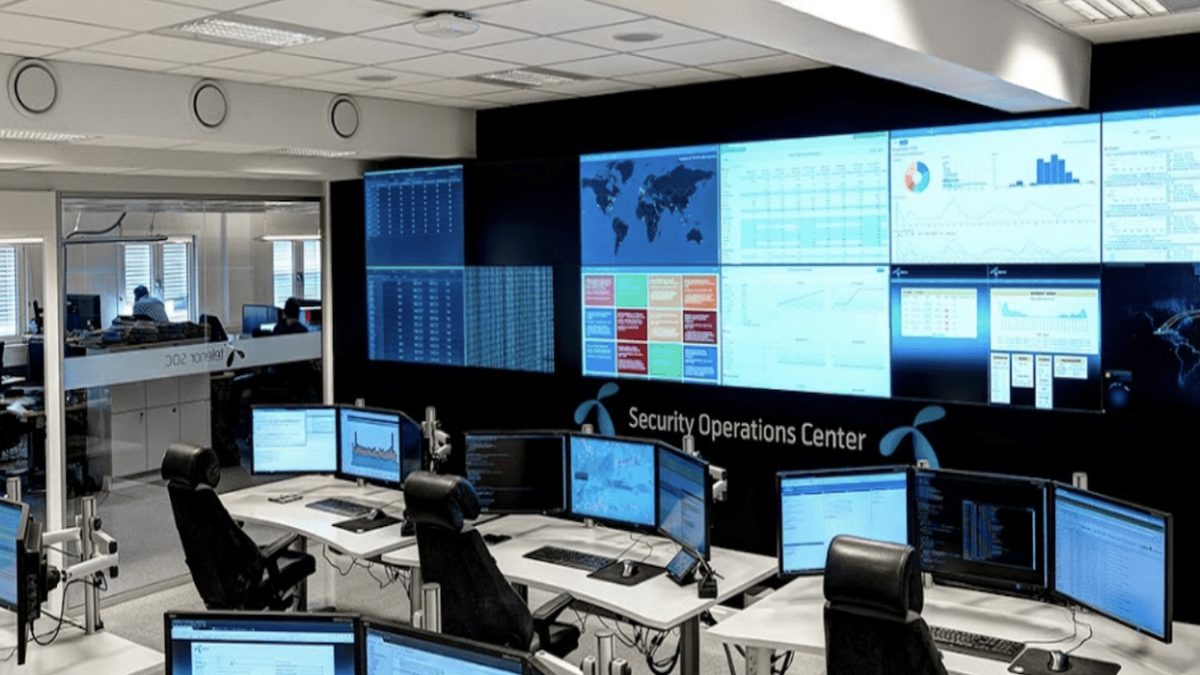
GCFA, GCFE, GREM, and GNFA-certified responders with prior experience at top-tier IR firms and government cyber units. Average tenure 12+ years. No tier-1 triage queue.
Insurance Panel-Approved
We work directly with major cyber-insurance carriers and pre-approved breach counsel. Faster coverage approval and direct billing where supported.
Court-Defensible Forensics
Documented chain of custody, write-blocked acquisitions, and reports authored to withstand litigation, regulator review, and class-action discovery.
Response When It Counts
Measurable outcomes from our IR practice
1hr
Engagement SLA for retainer clients, 24/7/365
4hrs
Average time to containment on ransomware engagements
0
Repeat breaches across clients who completed our hardening sprint
100%
Of engagements staffed by senior responders, with no offshore tier-1
Incident Response FAQ

Don't Wait for a Breach to Build Your Response Plan
Pre-negotiated retainers, quarterly readiness work, and a guaranteed 1-hour SLA when it matters. Talk to a senior responder about your environment.
Discuss an IR Retainer