
Ransomware Is a Business Continuity Risk
Change Healthcare. Colonial Pipeline. MGM Resorts. CDK Global. The pattern is identical, and predictable.
What Modern Ransomware Looks Like
Today's ransomware operators do far more than encrypt laptops. They are human-operated criminal enterprises that spend 4–14 days inside your environment before encryption: exfiltrating data, disabling backups, destroying logs, and identifying which systems hurt the most when locked. By the time the encryption fires, the attack is almost over. Readiness is the gap between "we're being scanned" and "we just paid $40M and still aren't fully recovered."

What We Assess
The eight readiness dimensions that determine whether you recover in 3 days or 90
Backup Architecture
3-2-1-1-0 review: are backups immutable, air-gapped or offline, tested for restore, and isolated from production AD? We trace every backup credential and rebuild-time SLA.
Network Segmentation
East-west blast-radius analysis. Could ransomware in your call center reach the ERP? Could it reach OT? We map current segmentation against your recovery dependencies.
Identity & Tier Zero
Active Directory tier-zero hardening, Kerberoasting exposure, golden-ticket resilience, privileged-access workstations, and recovery-mode credential isolation.
Initial-Access Vectors
External-attack-surface review of the entry points actual ransomware crews exploit: exposed RDP, VPN with no MFA, unpatched ESXi, public file shares, and OAuth-app footholds.
Detection Coverage
Are you generating logs for credential theft, command-and-control, Volume Shadow Copy deletion, and AD enumeration? We test specific TTPs from LockBit, Akira, BlackCat, and Royal against your SOC.
Incident Response Plan
Plan review against the realistic ransomware lifecycle. Decision rights, communications, vendor activation, regulator notification, and crown-jewel recovery prioritization.
Insurance & Counsel Alignment
Coordination check with your cyber-insurance carrier and breach counsel. Pre-approved vendor list, claim-trigger conditions, and ransom-payment authorization chain.
Business Continuity
Maximum tolerable downtime per business unit, manual workarounds, customer-communication readiness, and revenue-impact modeling for 1-day, 7-day, and 30-day outage scenarios.
Human Factors
Phishing-simulation results, MFA-fatigue resilience, help-desk verification, and security-awareness program effectiveness. That is the initial-access vector for most ransomware crews.
How We Engage
From a 1-day executive tabletop to a full readiness program
Executive Tabletop (1–2 days)
A facilitated tabletop exercise putting your leadership team through a realistic ransomware scenario: detection alert, escalation, ransom note, regulator call. Scored against decision-rights, communication, and recovery-prioritization criteria. Delivered with a board-ready readout.
Best for: Boards, audit committees, leadership teams who have never rehearsed.
Readiness Assessment (3–5 weeks)
Full eight-dimension assessment with technical validation: backup-restore testing, segmentation enumeration, AD tier-zero review, TTP-replay against your SOC. Output is a scored readiness report, a prioritized remediation roadmap, and an executive narrative.
Best for: Organizations preparing for a board ask, insurance renewal, or post-near-miss review.
Annual Readiness Program
Year-round program: initial assessment, quarterly tabletops, semi-annual purple-team validation of detection coverage, and an embedded IR retainer. Cyber-insurance carriers frequently discount premiums for organizations with this in place.
Best for: Mature organizations who want this off the board's worry list permanently.
We Know the Threat Actors
Active intelligence on the crews most likely to hit your sector
Our threat research practice tracks the active ransomware ecosystem in real time. We can tell you which affiliate groups are targeting your industry this quarter, which initial-access brokers they buy from, what TTPs they're using right now, and how those TTPs map to your current detection coverage. Every readiness engagement begins with a sector-specific threat brief.
LockBit / Bassterlord
ESXi targeting, double-extortion, MFA-fatigue
BlackCat / ALPHV
Cloud-targeted, SEO-poisoned drive-bys
Akira
Cisco VPN exploitation, Linux variant
Scattered Spider
Help-desk vishing, identity-provider abuse
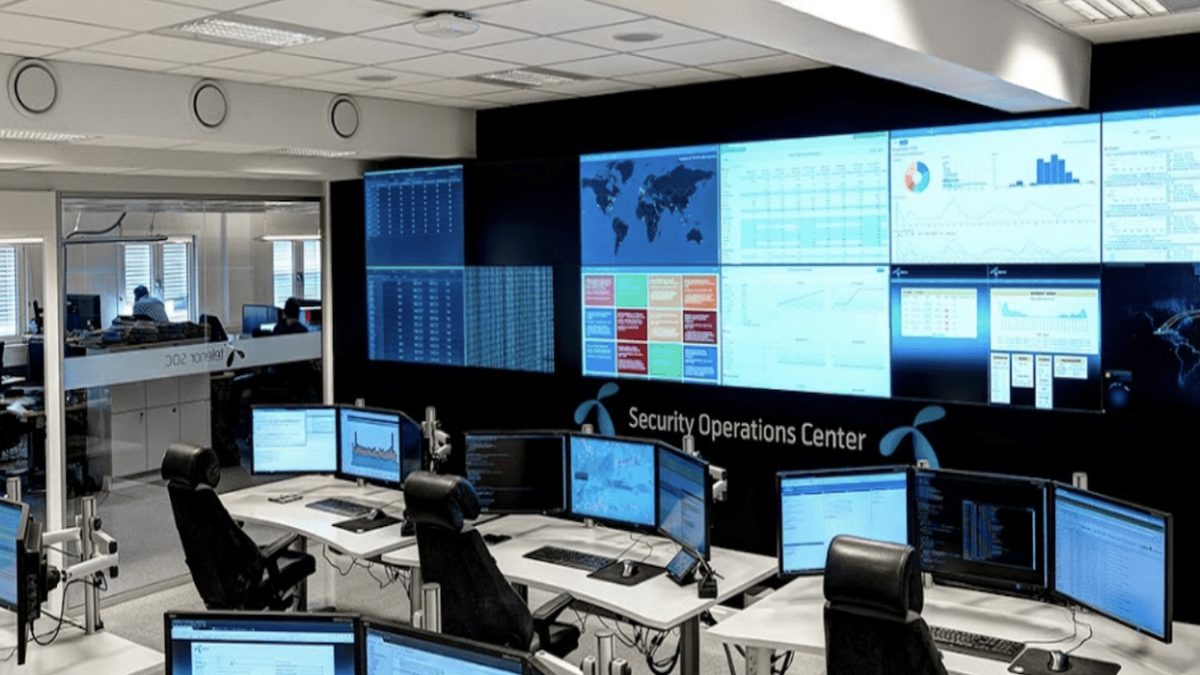
Closed-Loop With Real IR Cases
Our readiness work is informed directly by what we see in active incident response engagements. The TTPs we found inside a hospital's network last month are the techniques we test against in next month's readiness assessment.
Executive Communicators
Our facilitators are senior operators who can explain a Volume Shadow Copy deletion to a CIO and a quarterly EBITDA impact to a CFO, in the same meeting. Tabletops only work if the room takes them seriously.
Insurance & Board-Ready Output
Reports formatted for cyber-insurance underwriter renewal packets and for board audit committees. We've watched our reports drop premium quotes 15–30% on renewal.
One-Call Activation If You Get Hit
Readiness clients have an embedded IR retainer with a 1-hour SLA. The team that ran your tabletop is the team that picks up the phone at 2am.
Ransomware Readiness FAQ

Find Out Today What You'd Find Out the Hard Way
Ransomware readiness assessments, executive tabletops, and annual programs from senior responders who handle real cases every week.
Schedule a Readiness Discussion